%2Ffit-in%2F250x250%2Fguide_websites%2F16739%2Fimages%2F17810930859952e23688e-6bd3-441f-83a4-30a01fd32227.png&w=1920&q=75)
Fishing Charter Catch in Cleveland OH
Walleye Fishing in Cleveland - What to Expect
%2F%2Fusers%2F9a49ae03-d47e-4d55-a25e-dec8f330bfc1%2Fimages%2Fcleveland-fishing-charter-success-2374.jpg&w=1920&q=75)
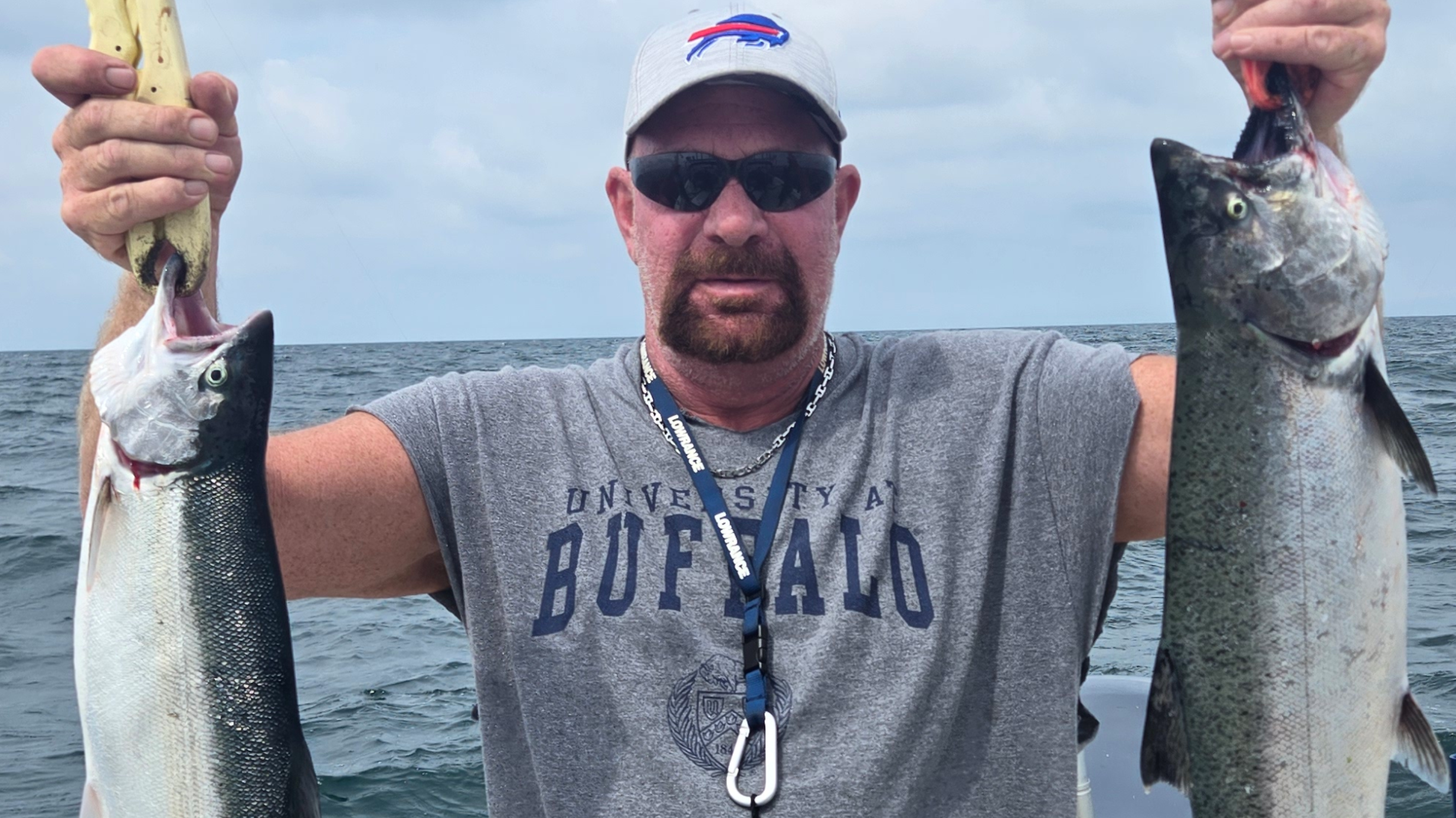
Fishing Charter by Captain Shawn Pierce in July
Meet your Captain Shawn Pierce
- Reel In Cleveland Ohio Fishing Charter Memories


Summary
Experience a fishing charter on Lake Erie near Cleveland, Ohio with Captain Shawn Pierce of Pro-Tek Fishing Walleye Charters. This Sunday in July outing showcases what anglers can expect when pursuing walleye in one of the region's premier freshwater fisheries. Learn techniques, environmental conditions, and local insights that make this destination productive year-round.
Fishing Charter with Captain Shawn Pierce - Rates & Booking
Captain Shawn Pierce of Pro-Tek Fishing Walleye Charters operates fishing charters out of Cleveland, Ohio on Sunday, July 26th. This fishing charter offers an opportunity to target walleye on Lake Erie under the guidance of a licensed and experienced captain. Pro-Tek Fishing Walleye Charters specializes in walleye techniques and local water knowledge that improve your chances of success.
When booking your charter, contact Pro-Tek Fishing Walleye Charters directly to confirm availability, group size, and any gear or equipment included with your trip. Captain Pierce can discuss tackle recommendations, best practices for the season, and what to prepare before heading out on the water. Fishing licenses are typically required - verify current requirements with Ohio Division of Wildlife before your charter date.
Highlights of Lake Erie Walleye Fishing
Lake Erie is one of the most productive walleye fisheries in North America, offering consistent opportunities throughout the season. The lake's depth variations, current systems, and seasonal patterns create diverse fishing grounds where experienced captains like Shawn Pierce position anglers for success. Summer months bring active walleye feeding periods, particularly during early morning and evening hours when light conditions favor these light-sensitive fish.
The experience of a Lake Erie charter combines the challenge of reading structure and conditions with the reward of potentially large walleye catches. The lake's size and accessibility from Cleveland make it an ideal destination for both experienced anglers and those new to walleye fishing. Successful anglers on these charters often employ multiple techniques including live bait presentation, jigging, and trolling depending on daily conditions.
Local Species Insights - Walleye Behavior and Habitat
Walleye are primarily nocturnal and light-sensitive fish found throughout Lake Erie. These predators rely on their large, reflective eyes to hunt in low-light conditions, which explains their preference for dawn, dusk, and overcast days. During daylight hours, walleye typically retreat to deeper water structures, rocky areas, and points where they can remain inactive until feeding windows return.
Lake Erie's walleye population thrives in depths ranging from 20 to 60 feet, depending on the season and specific location. The lake's western basin near Cleveland contains numerous structure points - underwater humps, drop-offs, and hard bottom areas - that concentrate walleye year-round. Understanding how seasonal water temperature changes affect walleye location helps captains like Shawn Pierce adjust strategy throughout the year.
Live bait such as shiners, minnows, and crawfish trigger aggressive responses from walleye. The species uses its lateral line to detect vibrations and movements, making jigging motions and subtle presentations highly effective. Walleye also respond well to artificial lures that mimic natural prey movements, particularly crankbaits and soft plastics in sizes and colors that match Lake Erie forage.
Summer walleye fishing presents unique advantages and challenges. Longer days mean extended fishing windows, but the season's intense sunlight pushes fish deeper during midday hours. Successful summer charters time their fishing around lower-light periods when walleye feed most actively. Water temperature during summer months remains stable, typically in the upper 60s to low 70s Fahrenheit, creating predictable patterns that experienced guides use to locate productive fishing zones.
The human element of a fishing charter adds another dimension to the experience. Anglers learn from Captain Pierce's years of local knowledge - reading sonar, identifying structure, adjusting presentations, and understanding how weather and seasonal changes affect fish behavior. These lessons transfer beyond a single fishing day, helping anglers develop skills applicable to future fishing opportunities throughout Lake Erie and similar walleye fisheries.